Friday, December 16, 2016

Movie Review - "The Jazz Singer" (1927)

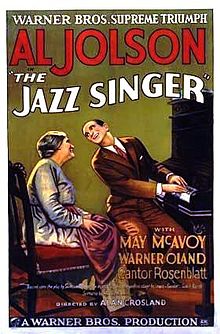
the_jazz_singer_1927_poster

It is strange that two of the most important movies of all time are also uncomfortably controversial. 1915's "The Birth of a Nation" is the first feature-length film, as it was the first "film" rather than just a short 20-minute picture, yet the film portrays the African American community as evil, soulless barbarians who must be stopped and the KKK are the heroes of the film. Similarly, 1927's "The Jazz Singer" is the first movie to feature sound and active dialogue, yet its main character is a white-male in black-face for most of the film.

But I give "The Jazz Singer" far more leeway than "The Birth of a Nation."

In the 1927 film, Jackie Rabinowitz (Al Jolson) is a struggling singer trying to make it make it big outside of being a Cantor. He makes it big when a young woman on Broadway hears him sing and tells him to perform for their latest jazz show, on the condition that sing in black-face and have his name changed to Jack Robin. Much to the dismay of his traditionally Jewish family, with his father believing that he shouldn't sing outside of a Synagogue, Jack takes the job but is disowned by his father.

As I said, this the first "talkie," to which every film between 1928 and now owes everything to. The only scenes that feature any audio though are when Al Jolson is singing, with the rest of the film remaining silent with title cards are exaggerated silent-era acting. While some might find this distracting, "The Jazz Singer" makes it work due to the dual nature of Jack's character living in two different worlds - One filled with overbearing parents stuck in tradition that remains silent, and another that is loud, vibrant and full of life and sound.


It is fitting that the only time we hear Jackie is when he is singing, because that seems to be the only time he feels alive. While this was probably done due to technical limitations and still learning how this whole "sound" thing worked, the choice to go back-and-forth between silence and singing works well for "The Jazz Singer."

Still, there's no denying this film hasn't aged well. The black-face is always off-putting, but understandable for the times since that was a common practice among Broadway performers in the 1920s. I'd say only watch this one if you're interested in film history and wish to witness the first talkie.

Final Grade: C+

Movie Review - "The Major and the Minor" (1942)

major-and-the-minor

Recently, I've done a bit of research on screwball comedies, in particular how to tell the difference between a screwball comedy and a romantic comedy and why screwballs died out. In films like "The Philadelphia Story" and "The Lady Eve," it is the overbearing or controlling woman that dominates the weak and incompetent man, a reversal of the typical gender roles in the 1930s and 1940s.
Movies like "Some Like It Hot" and "Bringing Up Baby" are about mascunlinty being challenged through a comedic battle of the sexes. This thrived because women holding all the power in a relationship was new to Hollywood.

But what truly separates screwballs from rom-coms is this challenge is done almost entirely through heated verbal exchanges, always charged with sexual energy. Film critic Andrew Sarris once described the screwball comedy as "a sex comedy without the sex." All these films came out at a time of strict censorship when filmmakers couldn't show anything related to sex or hold a kiss for longer than three seconds, so they had to get creative by having sex through word play.

If a man and woman can't kiss each other, they'll sass each other.

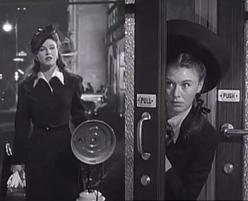
By doing this, it allowed filmmakers to tell far more riske plots that wouldn't have been picked up normally. Case in point, 1942's "The Major and the Minor." The story follows strong-willed Suzanne Applegate (Ginger Rogers) quitting the New York lifestyle, having tried over 30 jobs in two years and hating them all. She decides to head back to her home in Iowa, only to find out she doesn't have enough train fare. So she dresses up as a 12-year old girl, Susu, to pay half fare and ends up falling into a cabin with Army Major Kirby (Ray Milland), who buys that she is a little girl, but she slowly falls in love with him.

majorandminor

"The Major and the Minor" would not work in theaters nowadays, since it would be portrayed as a romantic comedy and it would be hard to avoid the pedophilia. But since this is a screwball comedy, of course the man is oblivious to the woman's plan or her advances. He doesn't see her as anything more than a child that he can help, the poor dolt.

Director Billy Wilder takes every advantage possible to show that not only Major Kirby is incompotent, but every single man in the movie. Despite trying to be a 12-year old girl, not a single male on the army training base buys the disguise, except for Major Kirby, who is too kind and honest for his own good. Every Private on the base wants a moment alone with Susu, even the ones in committed relationships, to remind her how the Germans conquered the Sudan if you catch my drift.

There are enough twists and turns in "The Major and the Minor" to keep the story from getting dull and more than enough charm in the writing to keep the laughs coming. Wilder co-wrote the screenplay and he gives every line just enough sass without being too obvious or overbearing. My favorite scene is when Major Kirby has to teach Susu about the birds and the bees, due to all the boys hitting on her, and describes her as a lightbulb attracting all the moths and that she needs to learn to turn that lightbulb down a bit, never aware that Susu has probably killed a few moths in her time.


Is this the greatest screwball comedy? No, "Some Like It Hot" and "The Lady Eve" excel at turning the gender roles on their heads and spinning it around a few thousand times, but there is no denying "The Major and the Minor" is hysterical, if not a bit ludicrous, and is engaging because of Wilder's script and the performances of Ginger Rogers and Ray Milland, who give two of the most genuine and honest performances I can think of.

Ultimately, the reason the screwball genre died out was because MPAA ratings system and the creation of R-rated films in the 1970s, as well as how modern sensbilities had changed over the years, especially the sexual revolution of the 1960s. Some elements of the screwball are still used in modern films, but the whole point of the screwball comedy is no longer valid with the strict rules of 1930s and 1940s filmmaking no longer in place. Even without those rules anymore, "The Major and the Minor" is certainly a film worth checking out.

Final Grade: A

Movie Review - "Fantastic Voyage" (1966)


Sometimes a movie experience is heightened when you imagine yourself in the year the film was released, especially with films that came out forty or fifty years ago. The reason I praised "Arrival" as much as I did was because it came out the same week as the recent U.S. election and it instilled hope and communication amongst all of mankind in a time when that is what audiences needed to hear.

This film, "Fantastic Voyage" might seem kind of drab and ludicrous by today's standards, especially with that title, but think of what movie-goers were dealing with in 1966. Science fiction had already explored the vast reaches of space, the Cold War was at its height, while also being in the middle of the Vietnam War, we were still reeling from the assassination of John F. Kennedy and fight for rights among African Americans was still underway.

Audiences still had "2001: A Space Odyssey" to look forward to, but there hadn't been many sci-fi spectacles for some time. Perhaps the concept of aliens and space exploration had grown tiresome. So instead of going to another galaxy, we would look inside ourselves and see the wonders that our own bodies have to offer.

"Fantastic Voyage" takes place in the far-off future of 1999, when a secret government organization that can shrink anyone and anything to microscopic size for an hour is in danger. One of their leading scientists had recently discovered the key to make the shrinking process last longer than an hour and was attacked by Soviets and put into a coma. The attack caused a blood clot to develop in his brain and it is impossible to remove without killing him. The organizations' solution is to shrink a submarine with a knowledgable crew of doctors, inject it into the scientists blood and travel up to his brain and destroy the clot from the inside with a powerful laser.


This is one of those movies where you shouldn't worry about the finer details, like why the shrinking process only lasts an hour, because there is a lot of fine work being done on what the human body looks like on the inside. The charm of "Fantastic Voyage" comes from imaginative landscapes of the blood stream, the heart, the lungs, ear drums and brain would operate on an active microscopic level and interacting with it. To see this vast black emptiness become populated with blood cells or the many cavities of the heart lay motionless as the submarine navigates its corridors is a colorful and personal journey that lives up to the title.

Imagine "The Forbidden Planet" except it all takes place inside the human body.

My only complaint with "Fantastic Voyage" is the mentality of certain crew members, in particular Dr. Michaels (Donald Pleasance), when if even the slightest thing goes awry he demands they leave and abandon the mission. Granted, Dr. Michaels may or may not have had alterior motives, but this happens at least three times during the journey. It makes you wonder why he was put in charge of the mission when he is so quick to give up on it so many times.

Overall, "Fantastic Voyage" is a delightfully charming piece of 1960s science fiction. Short on logic and a shallow story, the film easily makes up for it with a tour through the human body unlike anything before or since. There are also plenty of quiet moments where the characters contemplate the genius that goes into creating all life, so there's something here for everyone.

Final Grade: A-

Monday, December 12, 2016

Movie Review - "Fantastic Beasts and Where To Find Them" (2016)

fantastic-beasts

I'm not an avid Harry Potter fan. I was about ten when Harry Potter-mania began in the late 1990s and early 2000s, and my mom read the first three books to me and my sisters. I additionally read the fourth book on my own time, then tried to read the fifth but quickly lost interest. When the movies came out, I was interested up to the point where I stopped reading the books, so I only made it through "Harry Potter and the Goblet of Fire," which I felt was the best book and the worst movie.

As such, I haven't been interested in anything Harry Potter-related for a long time. But, when I heard that a movie starring Eddie Redmayne set in 1920s America while still being in the Potter universe, I felt this was at least worth a look, since this movie was no longer bound the rules of being an adaptation and could freely explore this magical world.

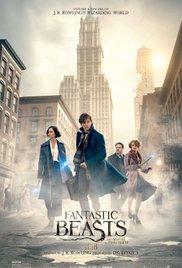
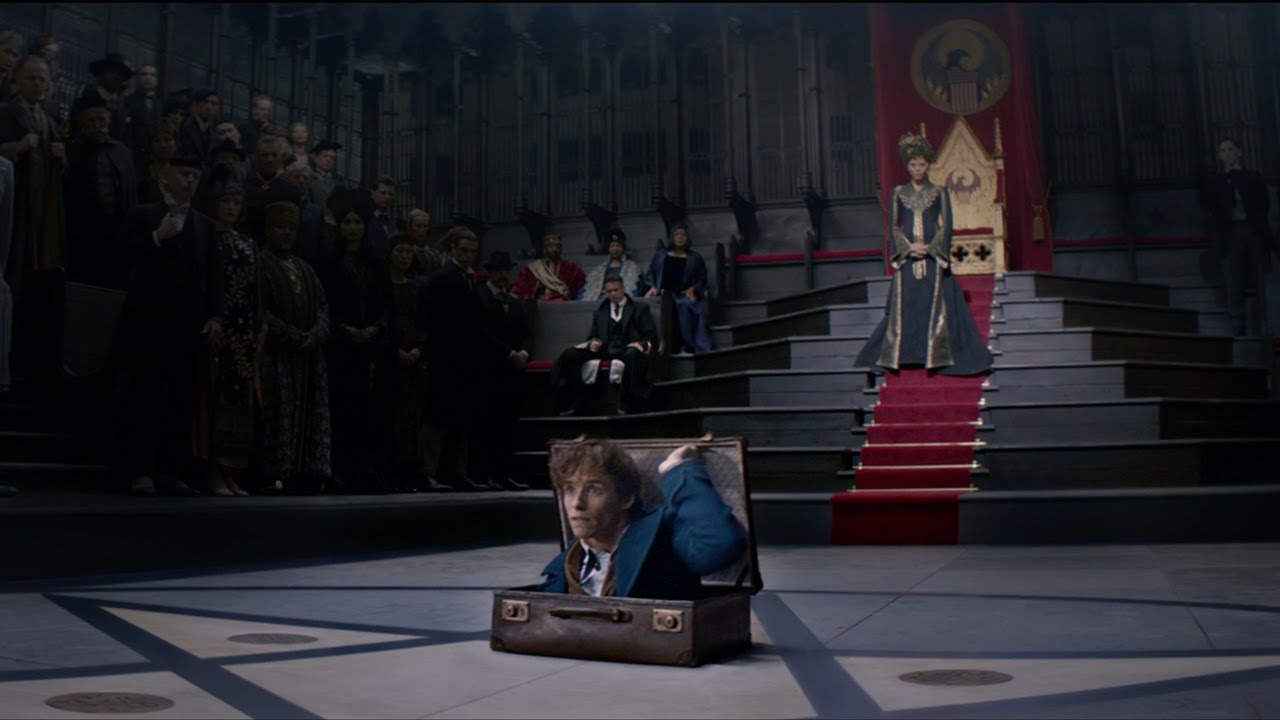
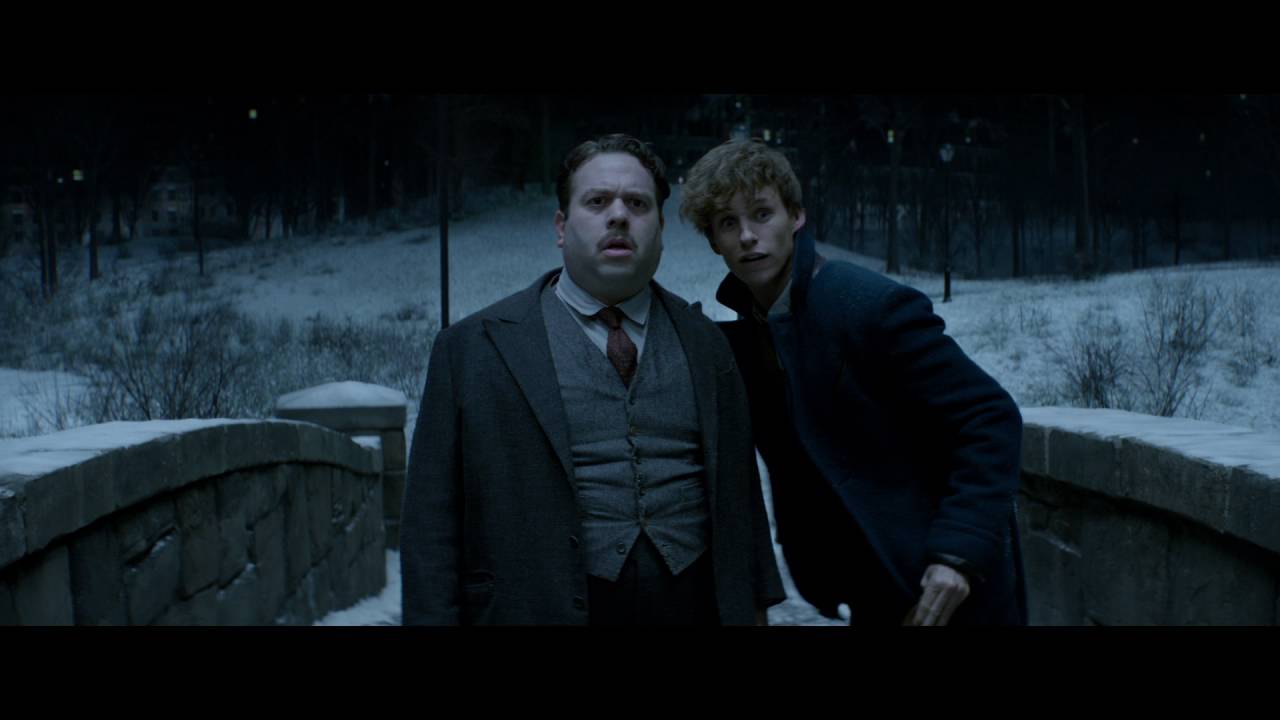
In 1926, wizard Newt Scamander (Redmayne) travels from England to America with an interesting case full of magical creatures. While making his way through New York City, one of these animals escapes and runs amok in a bank, getting the attention of non-magic user Jacob Kowalski (Dan Fogler) and the Magical Congress of the U.S. Through a strange case of mishaps and accidents, Newt's case of mystical animals ends up in Jacob's possession, who unknowingly opens up the briefcase and lets several creatures out and begin to cause mass panic among non-magic users and trouble for the Magical Congress. Now it's up to Newt, Jacob and a pair of magical sisters, Tina and Queenie (Katherine Waterson and Alison Sudol) to catch the beasts before they cause too much trouble.

fantastic-beasts2

Being someone who doesn't know much about the wizarding world, I went in to "Fantastic Beasts and Where to Find Them" with low expectations and ended up having a blast with the film. Part of it was seeing this new area of the sorcery world in New York City, but it still being so foreign and fascinating, as it took place during the 1920s and was filled to brim with a working-class society of elves, goblins and magic, all while trying to hide themselves from the prying eyes of non-magics.

Above all else, this was an adventure-piece through the prohibition era, only now magic is prohibited instead of alcohol. Each of the beasts were unique, with some being beautiful, while others were creative and some were terrifying. Yet none of these beasts were the typical magical beings we all know, like dragons, pixies or centaurs, but instead were snakes that could grow to fit their accompanying space, meaning it could shrink to the size of a tea cup or as big as a house, or an invisible monkey that can see five seconds into the future. So our heroes must rely less on magic and more on their cunning wit.

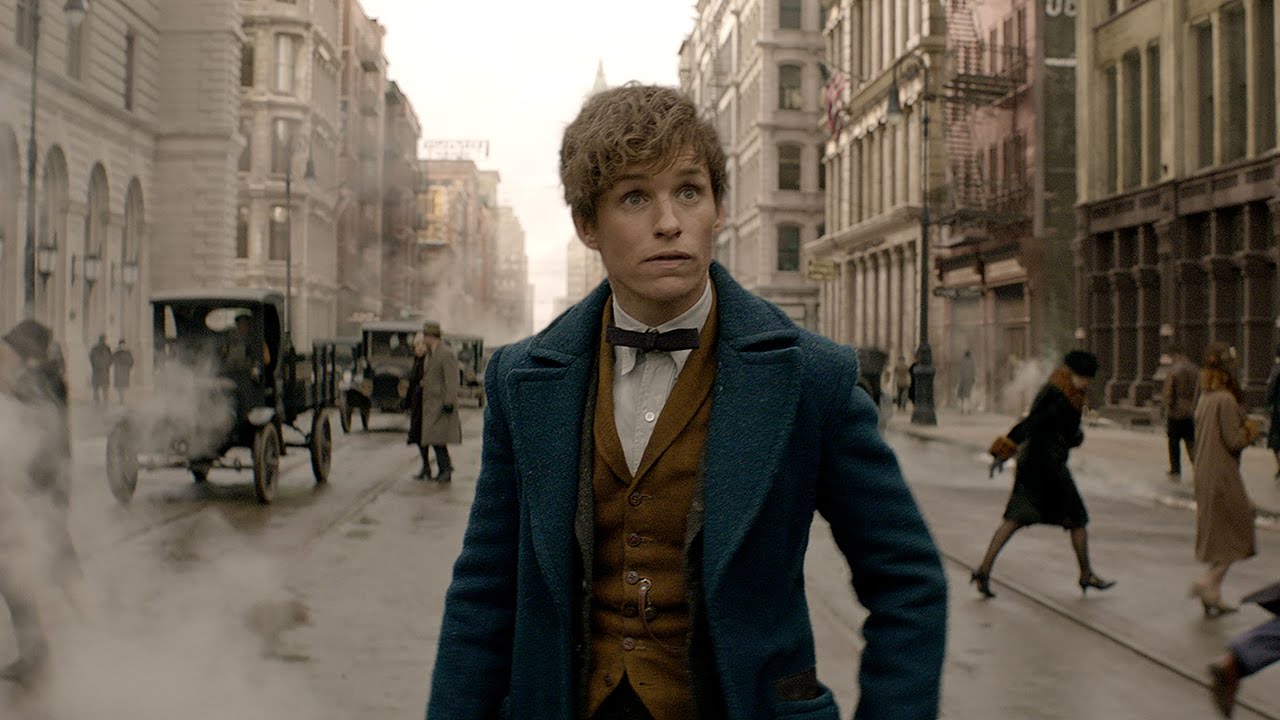
Which brings up the best part of this film, the characters. Tina was a former agent for the Magical Congress, but performed some questionable actions that got her demoted. Now she's looking for any opportunity to prove herself a worthy witch and uses every opportunity to throw the book in Newt's face. Queenie has a keen ability to read people's minds and flaunts it every opportunity she gets. Think of her as a flapper girl with psychic powers and loves what she does. Newt is a bit of an enigma, as someone who keeps to himself and sees humans as the most vicious and ruthless animals on the planet, finding it easier to socialize with his beasts. Unfortunately, this doesn't give Eddie Redmayne much to work with, as he is mostly staring off into space for most of the film.

fantastic-beats

But the best character in "Fantastic Beasts and Where to Find Them" was the non-magic Jacob. We get a man who is so confident in the ordinary world and then gets introduced to all these unbelievable and extraordinary people and animals, seeing a side of the world he never would have dreamed of. Yet Jacob takes all this in stride, unflinching at the glowing rhino staring him down and unapologetic about the wizarding world. He's like Han Solo, the only ordinary character in a cast full of people with extraordinary abilities and powers. Jacob adds depth, charm and comedy to this film where it desperately needed it and there isn't a wasted scene with him.

I will say that, for a sometimes quirky adventure through New York City as these people track down magical creatures, the film got disturbingly dark at times. There's a subplot involving a non-magic family who spreads to word around town that wizards walk among them and they must be stopped, but then we're told the mother beats all her children to the point of mental scarring. I would not recommend taking children to see this one, since it gets unnecessarily dark at times.

fantastic-beassts

But overall, I really enjoyed "Fantastic Beasts and Where To Find Them" as a fantasy-adventure that never took itself too seriously. The animals were creative, the characters were always charming and it was whimsical to see how magic would have worked in 1920s New York. Going into this film with little knowledge on Harry Potter helped, especially since I always remembered more about the expansive magical world of Harry Potter and not Harry himself.

Final Grade: B

Tuesday, December 6, 2016

Movie Review - "Arrival" (2016)

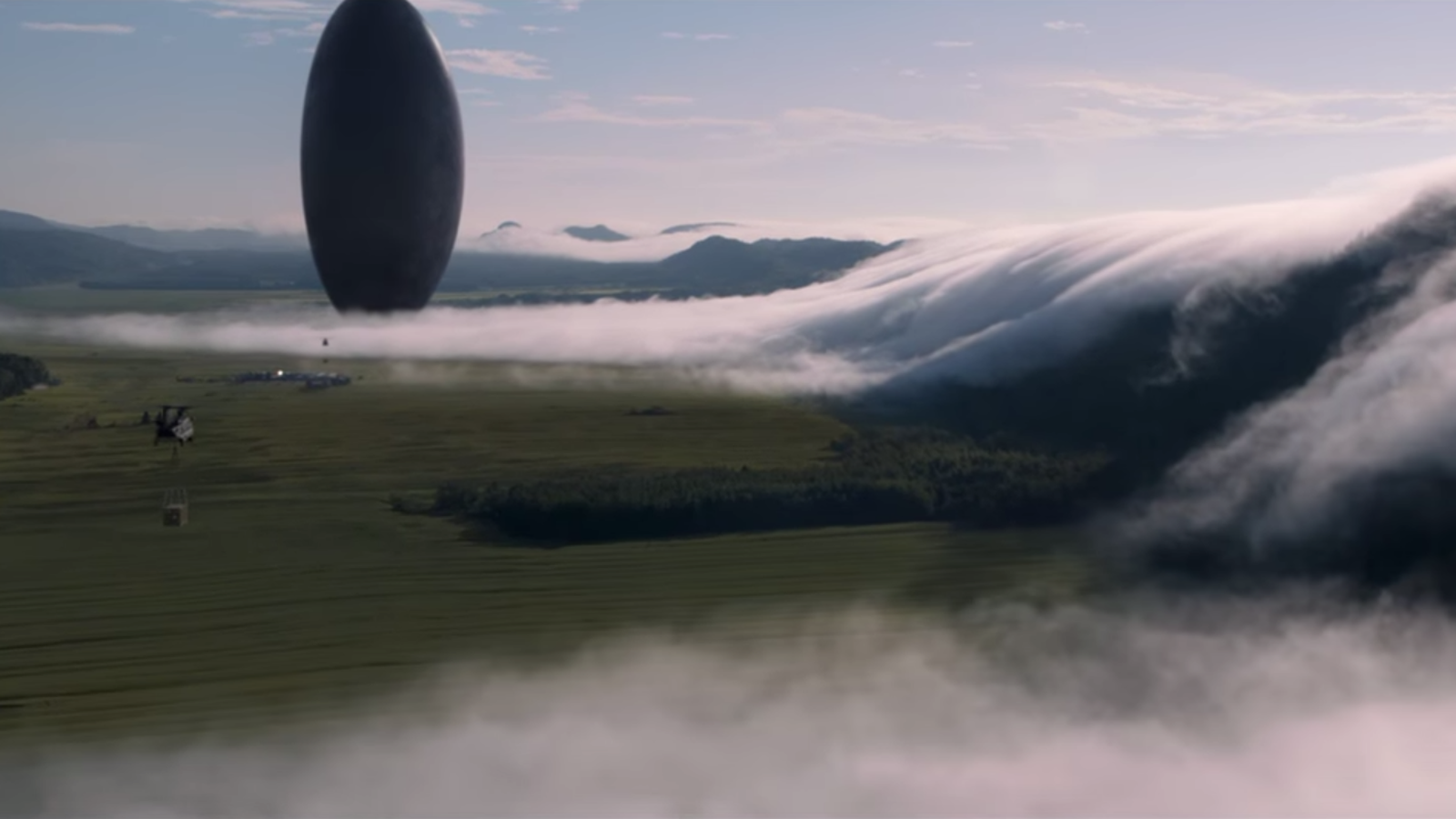
arrival

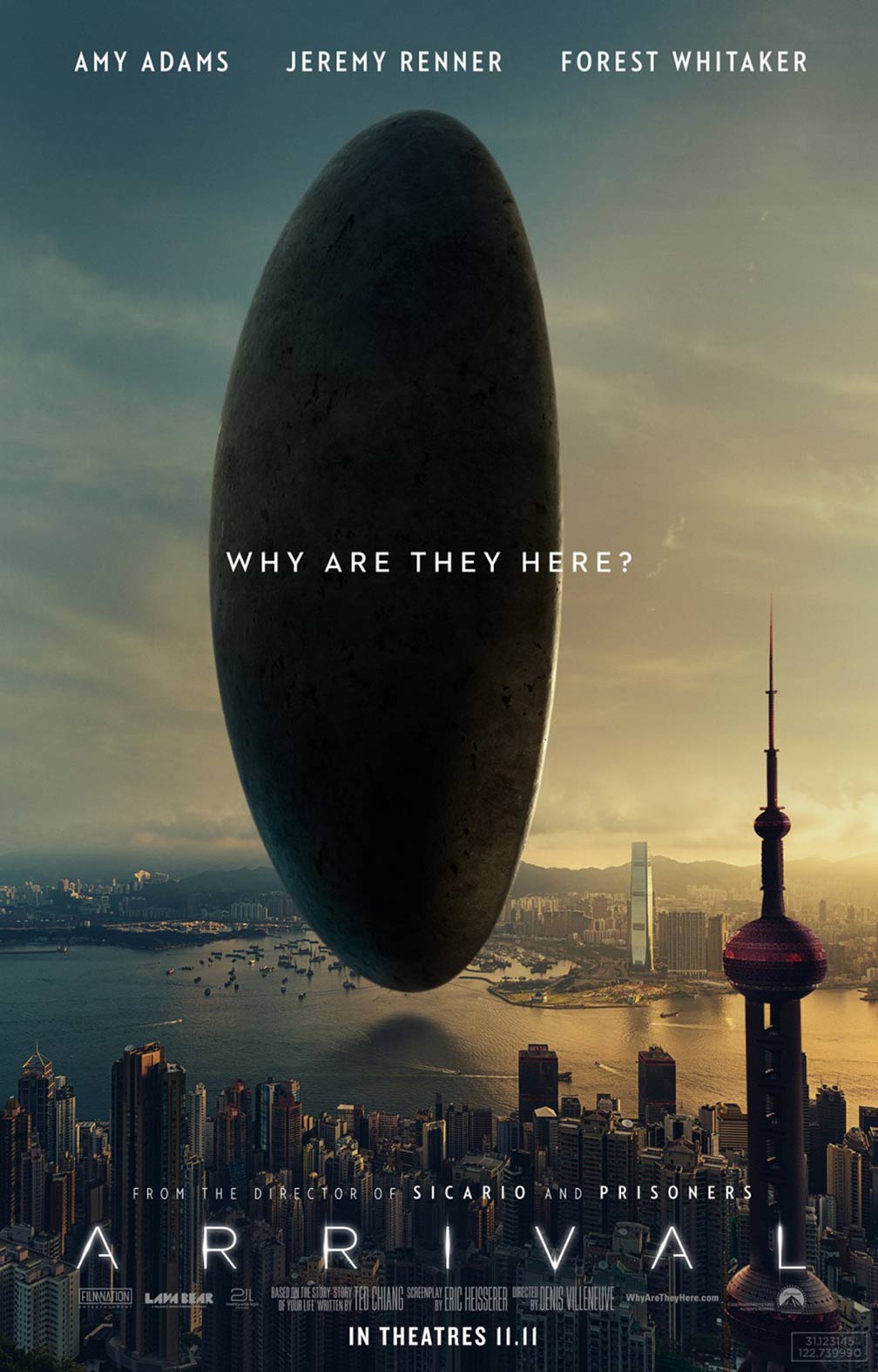
Out of all the movies in 2016, "Arrival" has been the most important one to come out. Amid the failed blockbusters, superheroes, sequels and animated films, "Arrival" reminds us that film can be more than just entertainment but a window into the human psyche, showing our flaws as well as our potential.

I went in to "Arrival" expecting a smart flick about what we'd do if aliens ever came to us and decided not to blow us up. Instead, what I got was smart piece about the importance of communication and how time shouldn't stop us from enjoying life. This is less like "Close Encounters of the Third Kind" and more like "Contact" or the original "The Day the Earth Stood Still."

But what makes "Arrival" stand out among those is the timing. If this film had come out a month ago, I would have thought it was smart and thought-provoking. But this movie came out the same week where less than half of the American population voted for who would be leading our country, and we ended up electing a man who has no political experience and is already genuinely hated by the American public. A movie about communicating among people and opening up dialogue between nations, speaking of hope for the future, comes at a time when we need that the most.

arrival2

I saw "Arrival" less than a week after the presidential election ended, and I was terrified about what was coming next and where we would be going. This film helped me realize that we're not alone in all this and that we are in charge of our own future.

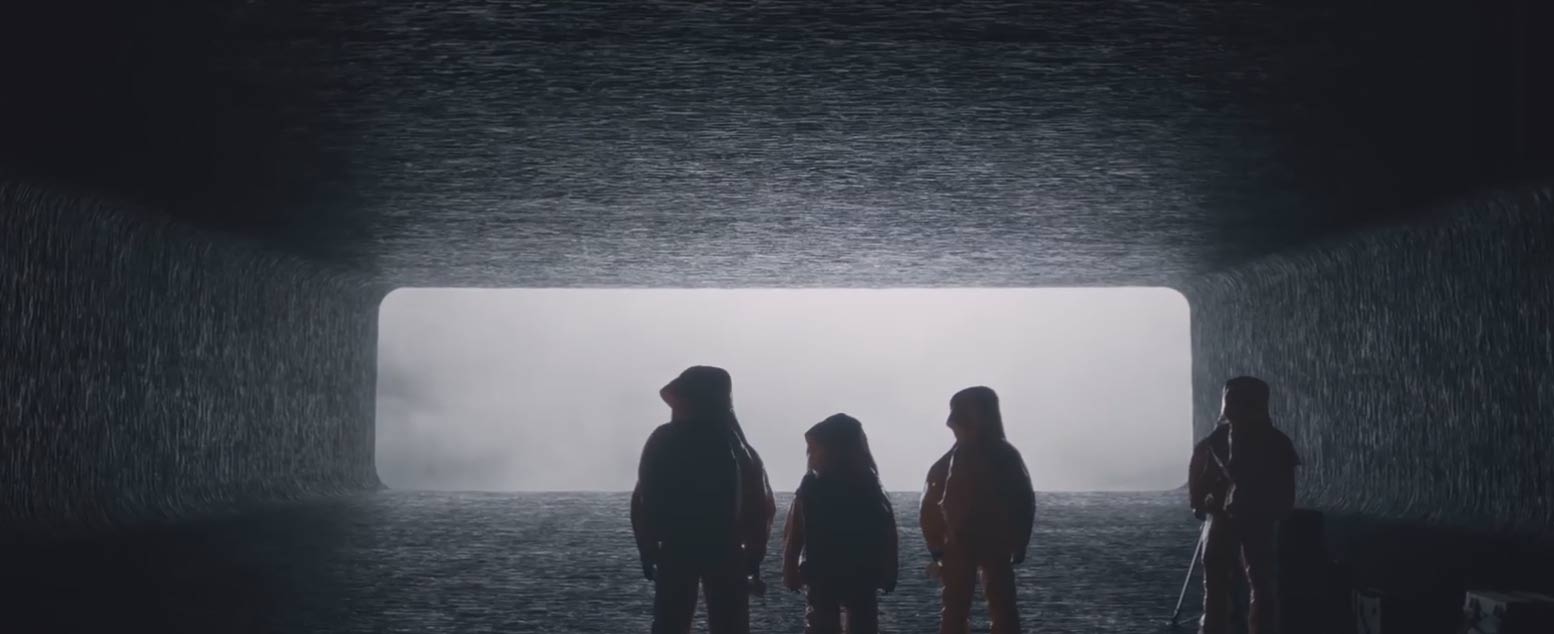
This makes "Arrival" not necessarily about the aliens, but about how we treat one another. These aliens send down twelve ships, scattered throughout the planet but at least one near every major power in the world, including one in Montana and another near Shanghai. Each country has a different response to the aliens, with China threatening to bomb the space craft, while the Americans hire linguist Louise Banks (Amy Adams) and physicist Ian Donnelly (Jeremy Renner) to communicate with the aliens.

At the base near the space craft, there is a strong military presence, who have large explosives ready to detonate, which more than a few soldiers want to pull off. There is a constant sense of unease about this whole venture, with the trigger-happy military taking charge and the lack of communicating between Earth's nations. This is a logical reaction to unknown invaders, but shows that the governments of the world were not designed to handle alien encounters and so they scurry around like chickens with their heads cut off.

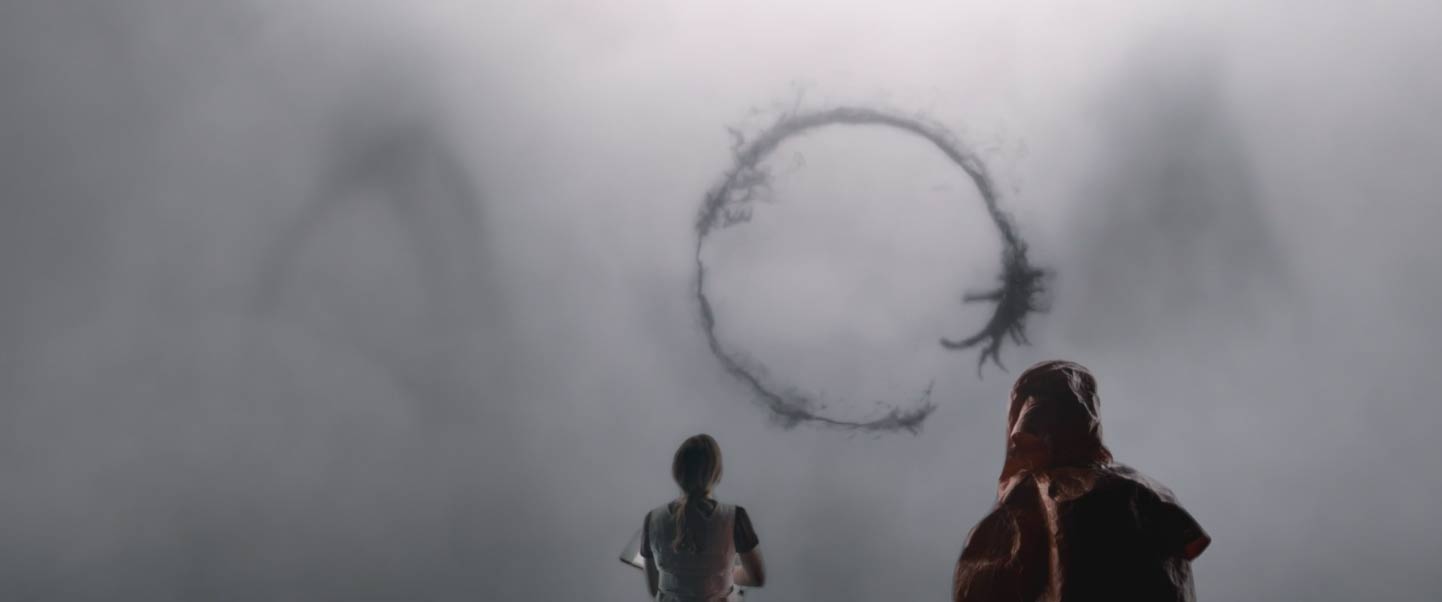
Without giving too much away, there is a drastic shift near the end of the film that changes the entire outlook of "Arrival." I'm not sure I could fully explain the details, since the film is rather vague on what happened, leaving most of it up to interpretation, but I do know that our story of peaceful aliens switches the focus to us.

arrival3

"Arrival" recognizes that we are flawed frightened creatures who lash out and only think of ourselves, but that we have the potential to be kind and understanding. All we need is a little push in the right direction and shown a bit of compassion to get us moving, and that is exactly what these aliens are doing.

It matches with the films of Denis Villenueve, like "Prisoners" and "Sicario," by taking the indie-vibe but making it feel big and important. His films are less about flashy effects and threats, and more about the danger of those threats and how these characters react to those threats. I don't think "Arrival" would have worked as well if Villenueve wasn't directing, because the human factor is the driving force behind it all.

arrival4

Overall, if you go see any movie this year, see "Arrival." It may not be big or flashy, but it is important, smart and most of all, hopeful in a time where we need that.

Final Grade: A

Friday, December 2, 2016

Movie Review - "Seven Days In May" (1964)

seven-days-in-may

The whole reason I checked out this movie was because I noticed who wrote it - Rod Serling, the creator of "The Twilight Zone" and writer of the original "Planet of the Apes." If you've watched enough of "The Twilight Zone," you'd notice that Serling was a poltically-charged man, but also played both sides. He often founds ways to poke holes in both the Republican and Democratic sides, showing the flaws and leading to the side that Serling was always on - humanity.

So when I learned that this man also wrote a movie about a corrupt megalomania general (Burt Lancaster) and his plans to overthrow the President (Fredric March) and take over the United States government, my curiosity was immediately peaked.

"Seven Days in May" was originally a novel, conceived in the middle of the Cold War and the rise of mutually assured destruction via nuclear weapons was at its highest. The idea of both the novel and the film, is that it takes place roughly ten years in the future and the President, being sick and tired of threatened by atomic bombs every day and the end of the human race, signs a nuclear disarmament treaty with the Soviet Union, despite more than 70% of Americans disagreeing with him on that decision, most saying that the Soviets cannot be trusted and would destroy the U.S. at the first opportunity.

The film was also released in 1964, the same year as two other massive Cold War thrillers, one a serious look at the possibility of mutually assured destruction, "Fail Safe," and the other taking that same story and making a comedy of it, "Dr. Strangelove: Or How I Learned to Stop Worrying and Love the Bomb." "Seven Days in May" was released only a few weeks after "Dr. Strangelove," so it's no wonder this film often goes unnoticed.

seven-days-in-may

Where "Dr. Strangelove" took the hard-edged politcal jargon that would come from an accidental assault on an opposing nation and turned it into petty squabbling about America's impotency, "Seven Days in May" tells it to us straight and in long-form, with all the flowery politics you could imagine. Needless to say, the majority of this film went over my head.

The best scenes were the ones involving Burt Lancaster, who always has a certain intensity that is unmatched. He comes across like he's not even trying to be intense, but every word he says is so drenched in importance and ferocity that you believe in what he's saying. When he delivers a speech about how the President is dragging this country down and how it needs a man like himself to bring it back from the brink, you believe him. Unfortunately, Lancaster is only in a few scenes of the film, mostly near the beginning and the end.

Additionally, Fredric March plays a great contemplative President living in a difficult time to be President. Kirk Douglas also has a leading role, playing a subordinate to Lancaster who finds out about his plans to take over and alerts the President. Douglas plays a subdued role in this film, which is different from his usually vocal and intense roles in films like "Ace in the Hole" and "The Bad and the Beautiful."

Overall, "Seven Days in May" is worth a look if you want to see Rod Serling at his most political. It is an interesting tale of a man with power who feels that his leaders aren't doing their job and wants nothing more than take that power away from them. It does get bogged down in politics that most people won't understand, myself included, but it balances that out with some great performances.

Final Grade: C

Thursday, December 1, 2016

Movie Review - "Doctor Strange" (2016)

doctor-strange-2016_44263

It seems we now have a pattern with Marvel movies - More of the same, except with entirely different characters learning about whole new worlds.

That may seem confusing, but take a look at the many heroes of the Marvel Cinematic Universe - Tony Stark, Thor, Peter Quill aka Star Lord, Scott Lang aka Ant-Man and now Stephen Strange. All of these characters have the same defining characteristics - Ego-driven, self-absorbed, often feel like the weight of the world rests on their shoulders alone, and think of themselves as indestructible or unstoppable. To these heroes, the world is theirs for the taking because they are the best at what they do.

doctor-strange-jumping

Of course, over the course of their films these hot heads learn to temper their ego-mania, some more than others (Iron Man's biggest strength still seems to be pride in himself), but "Doctor Strange" is the first one of the Marvel films to outright say that having too much of an ego can be a bad thing. Heroes like Thor and Star Lord learn about humility, teamwork and trust, but Stephen Strange mainly learns that he is not the center of the universe and never will be. Most of the movie is Stephen coming to terms with that knowledge, and thus his ego-driven persona is mostly gone by the end of the film.

I appreciate this approach to Stephen Strange's character, as it gives us more of the lovable pricks we've come to expect from Marvel films, while also taking it in a new direction and giving us a character that learns from his mistakes. Out of all the Marvel films, Stephen has the most growth as a character, changing from a Sherlock Holmes-like surgeon who dances to music during an operation into a patient, logical sorcerer who would rather talk his way out of a situation instead of resorting to violence.

In "Doctor Strange," we learn of a whole new side of this world, one devoted to magic and sorcery. When Stephen Strange (Benedict Cumberbatch) is in a terrible car accident, his once expert surgical hands are reduced to shaking husks of their former selves, ruining Stephens' career. He spends his vast fortune looking for a cure, but nobody can fix the injuries in Stephen's mind. With nothing left to lose, he spends the last of his money on a one-way trip to Nepal, with the promise that a being known as the Ancient One (Tilda Swinton) can heal him, and introduce Stephen to his true destiny.

doctor-strange

Once again, Marvel is pitch-perfect with their casting decisions, especially with Benedict Cumberbatch and Tilda Swinton in "Doctor Strange." Cumberbatch nails the ego of a surgeon who can pick his patients (just like another self-absorbed genius Benedict has played in the past), while still capturing the whimsy and curiosity of learning about this magical world. His American accent can be hit-or-miss sometimes, but I couldn't see anyone else playing Doctor Strange.

Tilda Swinton, while stirring up controversy by playing a character that has historically been an Asian male, still does wonders for this role. Swinton is one of the few actors who is so ambiguous about her roles, mostly because she is so ambiguous herself. Her approach is "less is more," leaving a lot of mystery and intrigue about her characters. Now she's playing a character that has supposedly lived for thousands of years through some unknown dark magic, yet still seems to be in tune with the evolving world around her. So while the role should have gone to someone else, I'm glad it went to Swinton, because we got a cryptic performance out of her.
But my favorite character in "Doctor Strange" was certainly Stephen's cape. This little guy is a sentient piece of cloth, yet gets more character than Rachel McAdams does in this film. He saves Stephen's life on more than one occasion, including slamming a guy's face repeatedly into the ground. He has no lines of dialogue yet develops this strange friendship with Strange. The cape is like the magic carpet from "Aladdin," in that they both have a lot to say, but have no way of saying it.

doctor-strange-2016-wallpaper

The visuals for "Doctor Strange" are mind-bending and something I've never quite seen before. One of the best scenes in the film is a chase between Strange and the villains through New York City while the space around them is constantly being warped and twisted, like being inside of a kaleidoscope. This chase sequence is unpredictable and relies less on hand-to-hand combat and more on outsmarting the opponent and the landscape. Certainly one of the most visually appealing Marvel films to date.

However, outside of all this, there isn't much else to "Doctor Strange." The story is predictable, the villains aren't special (even casting Mads Mikkelsen as the antagonist Kaecillus didn't save that), the comedy is forgettable and the film doesn't get interesting until the final act when the villains plans become clear. The film is devoid of the usual Marvel charm, though there are some attempts to inject humor and light-hearted ribbing into this dark story, even if it doesn't always work.

So while there are parts of "Doctor Strange" that are enjoyable, overall this one of the weaker entries in the Marvel Cinematic Universe. It is nice to see ego-driven know-it-all taken down a peg, unlike other Marvel entires, as well as some great performances from Cumberbatch and Swinton, this one doesn't stand out to me. But it is something far different from what Marvel has done in the past, which does make it worth your time.

Final Grade: C+